
tempered glass factory
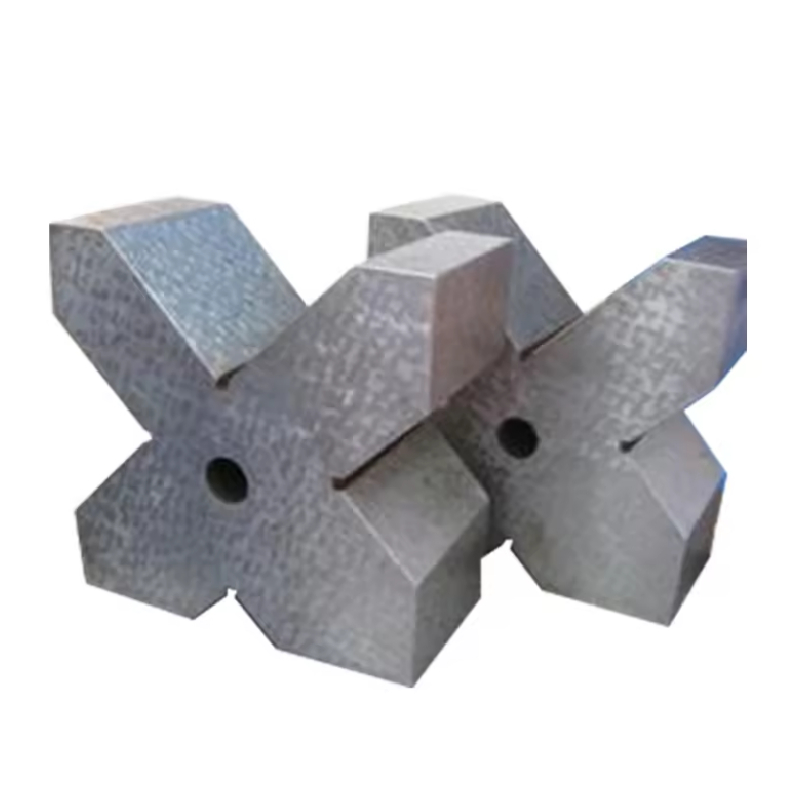
In the realm of manufacturing and engineering, the significance of cast iron T slot plates cannot be overstated. These robust and versatile surfaces are essential for precision work, particularly in fields such as robotics and automation testing. The unique properties of cast iron, including its excellent rigidity and stability, make it an ideal material for creating a reliable testing environment. When engineers and technicians require a flat, stable surface for mounting equipment, conducting measurements, or assembling components, iron surface plates serve as the backbone of their operations. The use of cast iron T slot plates ensures that the equipment remains firmly in place, allowing for accurate results and reducing the risk of errors that could arise from a less stable surface. Moreover, the design of cast iron T slot plates features integrated slots that facilitate the easy attachment of various tools and fixtures. This adaptability is crucial in robotics, where different configurations may be needed for various tests or setups. The ability to customize the arrangement of equipment on the plate enhances operational efficiency and workflow. As the demand for automation and robotics continues to grow, the reliance on high-quality metal fabrication tables becomes increasingly important. These tables not only support the physical components but also contribute to the overall quality of the testing process. In addition to their practical applications, cast iron T slot plates are also known for their longevity and durability. Unlike other materials that may warp or degrade over time, cast iron maintains its structural integrity under heavy loads and rigorous use. This characteristic is particularly advantageous in environments where precision is paramount, such as laboratories and manufacturing facilities. As industries evolve and the need for automation increases, the role of iron surface plates in ensuring consistent quality and performance will only become more critical. Utilizing Iron Surface Plates in Robotics Testing The integration of iron surface plates in robotics testing offers numerous advantages that enhance the overall effectiveness of the testing process. When conducting tests on robotic systems, it is essential to have a stable and flat surface to ensure accurate measurements and reliable performance evaluations. Cast iron T slot plates provide this stability, allowing engineers to focus on the intricate details of their robotic designs without the distraction of a shifting or unstable platform. In robotics, precision is key. Even the slightest deviation in measurements can lead to significant issues in performance. By utilizing iron surface plates , engineers can conduct tests with confidence, knowing that their equipment is securely anchored. This is especially crucial during dynamic testing scenarios where robots are subjected to various movements and forces. The ability to maintain a consistent testing environment is vital for obtaining reliable data, which in turn informs design improvements and optimizations. Furthermore, the versatility of metal fabrication tables allows for easy modifications and adjustments during testing. Engineers can quickly attach different fixtures or sensors to the cast iron T slot plates , adapting the setup to meet specific testing requirements. This flexibility not only saves time but also enhances the overall efficiency of the testing process. As robotics technology advances, the need for adaptable and reliable testing environments will continue to grow, making iron surface plates indispensable tools in the field. The Role of Metal Fab Tables in Automation Testing In the context of automation testing, metal fab tables play a crucial role in ensuring the precision and reliability of automated systems. These tables, often constructed from durable materials like steel, provide a solid foundation for testing various automation components. The integration of cast iron T slot plates into these tables further enhances their functionality, offering a stable surface for mounting sensors, actuators, and other essential equipment. Automation testing often involves the evaluation of complex systems that require precise alignment and positioning. By utilizing iron surface plates , engineers can ensure that all components are accurately positioned, minimizing the risk of errors during testing. The stability provided by cast iron T slot plates is particularly beneficial in scenarios where automated systems are subjected to vibrations or other external forces. This stability helps maintain the integrity of the testing process, allowing engineers to obtain accurate and repeatable results. Moreover, the adaptability of metal fab tables allows for easy reconfiguration as testing requirements change. Engineers can quickly modify the layout of their setups, accommodating new components or testing methodologies without significant downtime. This flexibility is essential in today’s fast-paced engineering environments, where rapid prototyping and testing are often necessary to keep up with technological advancements. As the automation industry continues to evolve, the reliance on high-quality iron surface plates and metal fabrication tables will only increase, underscoring their importance in modern engineering practices. Steel Fab Tables: A Complement to Cast Iron T Slot Plates While cast iron T slot plates are renowned for their stability and durability, steel fab tables offer complementary advantages that enhance the overall testing and fabrication processes. Steel tables are typically lighter and more portable than their cast iron counterparts, making them ideal for applications that require mobility or frequent reconfiguration. When paired with iron surface plates , these tables create a dynamic workspace that balances stability with flexibility. The combination of steel fab tables and cast iron T slot plates allows engineers to leverage the strengths of both materials. For instance, while the cast iron plates provide a solid foundation for precision work, the steel tables can be easily moved or adjusted to accommodate different testing scenarios. This adaptability is particularly valuable in environments where space is limited or where multiple projects are being conducted simultaneously. Additionally, steel fab tables often feature integrated storage solutions, enabling engineers to keep tools and equipment organized and within easy reach. This organizational aspect contributes to a more efficient workflow, allowing teams to focus on their tasks without the distraction of cluttered workspaces. As industries increasingly prioritize efficiency and productivity, the role of steel fab tables in conjunction with cast iron T slot plates will become even more significant. FAQs: Understanding Cast Iron T Slot Plates and Their Applications What are cast iron T slot plates used for? Cast iron T slot plates are primarily used as stable surfaces for mounting equipment, conducting measurements, and assembling components in various industries, including robotics and automation testing. How do iron surface plates contribute to precision work? Iron surface plates provide a flat and stable foundation that minimizes errors during measurements and testing, ensuring accurate results in precision engineering applications. Can metal fabrication tables be customized for specific projects? Yes, metal fabrication tables can be easily customized with different fixtures and attachments, allowing for flexibility in testing setups and accommodating various project requirements. What advantages do steel fab tables offer compared to cast iron plates? Steel fab tables are lighter and more portable than cast iron plates, making them ideal for applications requiring mobility and frequent reconfiguration while still providing a sturdy work surface. Are cast iron T slot plates durable? Yes, cast iron T slot plates are known for their durability and longevity, maintaining their structural integrity under heavy loads and rigorous use, making them ideal for industrial applications. Discover the precision and reliability of our cast iron T slot plates for your engineering needs. Visit our website to explore our products and place your order now. Elevate your testing processes with the best in the industry!
about
tempered glass factory
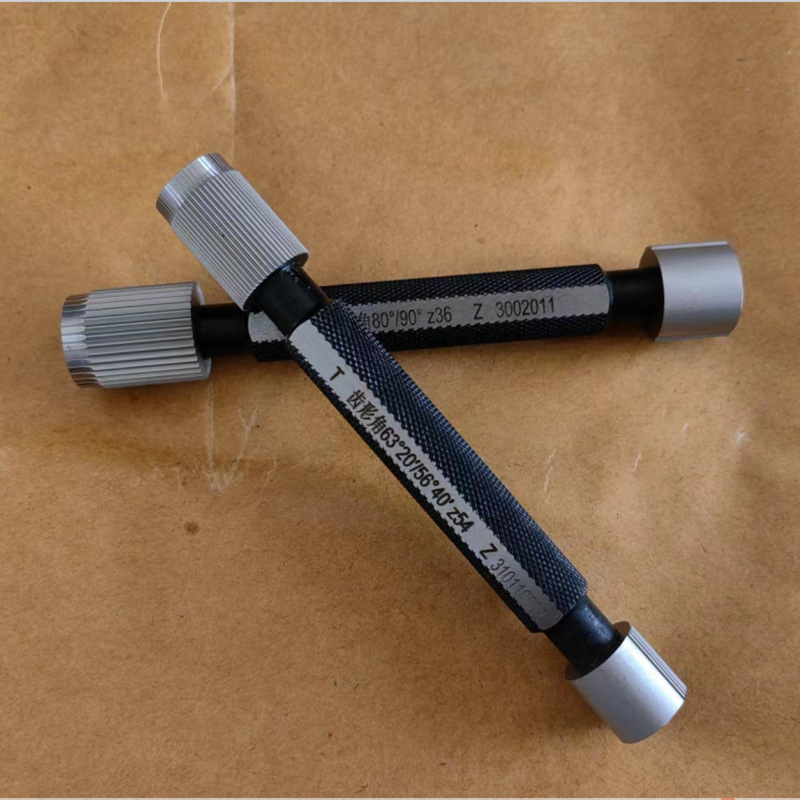
Understanding Standard Thread Plug Gauges Thread plug gauges are essential tools used in manufacturing and quality control to ensure the accuracy and consistency of threaded parts. As the name suggests, these gauges are designed to check the internal threads of a component, ensuring that they meet specified standards. In this article, we will explore the importance of standard thread plug gauges, their types, and how they are used in various industries. What Are Thread Plug Gauges? Thread plug gauges are precision devices made of durable materials, often steel, that are used to inspect the internal threads of holes. They help determine whether a threaded hole can accept a specific screw or bolt correctly. The gauges come with a defined thread profile and can be classified into two primary types Go gauges and No-Go gauges. 1. Go Gauges These gauges are used to verify that the minimum allowable dimensions of the thread are met. If the Go gauge fits into the threaded hole, it indicates that the thread is acceptable. 2. No-Go Gauges In contrast, No-Go gauges are used to check the maximum allowable dimensions. If the No-Go gauge fits into the threaded hole, it signifies that the thread has exceeded the acceptable limits and is therefore considered defective. Importance of Standard Thread Plug Gauges Standards are critical in manufacturing, as they help ensure interoperability and safety across various applications. Standard thread plug gauges are manufactured according to international standards, such as those set by the American National Standards Institute (ANSI), International Organization for Standardization (ISO), and the American Society of Mechanical Engineers (ASME). The significance of these standards includes 1. Quality Assurance Standardization ensures that all manufacturing processes comply with predetermined quality levels. It minimizes the risk of defects, ensuring that products are reliable and safe to use. 2. Interchangeability Products manufactured under standard specifications can be easily replaced or interchanged, facilitating repairs and maintenance across different brands and industries. standard thread plug gauge 3. Cost Efficiency By minimizing defects and ensuring consistent quality, manufacturers save money on rework and scrap material, ultimately leading to higher profitability . Applications of Thread Plug Gauges Thread plug gauges find applications across various industries, including - Automotive In the automotive sector, precision is paramount. Components such as engine blocks, transmission parts, and chassis assemblies rely on accurate threading to ensure proper assembly and performance. - Aerospace The aerospace industry demands the highest standards of safety and quality. Thread plug gauges are used to inspect threaded holes in critical components like landing gear and engine mounts. - Manufacturing General manufacturing utilizes thread plug gauges to inspect parts ranging from simple fasteners to complex machinery components, ensuring they meet the required thread specifications. Conclusion Thread plug gauges are indispensable tools in the quality assurance arsenal of various industries. By adhering to standard specifications, these gauges facilitate accurate inspections, promote consistency, and ensure the safety and efficiency of threaded components. As technology advances and manufacturing processes become more sophisticated, the importance of standard thread plug gauges will only continue to grow, supporting the drive towards higher quality and precision in all products. For manufacturers, investing in high-quality thread plug gauges is not just a choice; it is a necessity to meet the demands of modern production and quality standards.
-

High quality industrial productsagement

High quality industrial products
View Details -

Meet the diverse needs of customers

Meet the diverse needs of customers
View Details -

Strict quality control

Strict quality control
View Details -

Top raw materials

Top raw materials
View Details -

Trusted supplier

Trusted supplier
View Details
Our application


news and information

Versatile Stainless Steel Angle Ruler for Precision Measuring and Drafting Tasks
The Versatility of the Metal Angle Ruler When it comes to precision tools in the fields of engineeri
vedenpaineventtiili
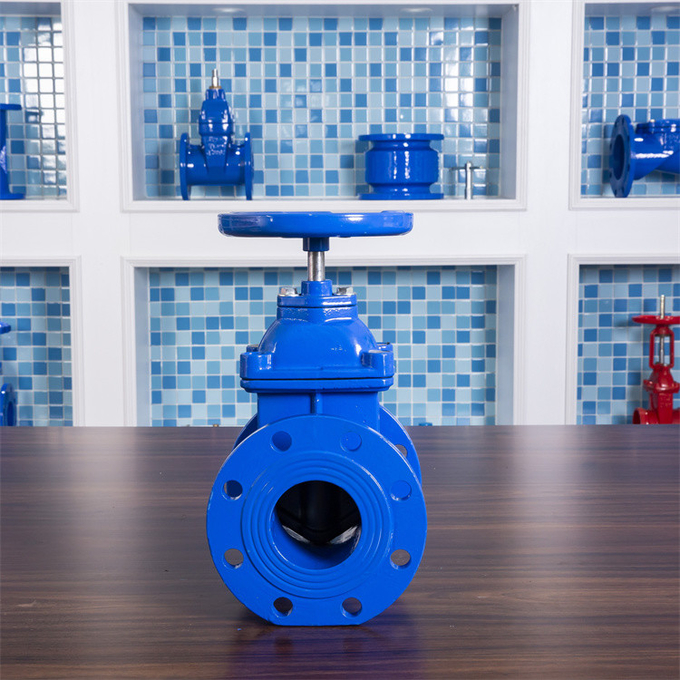
Vesipaineventtiili Teho, Toiminta ja Käyttökohteet Vesipaineventtiili on olennainen osa monia vesijä
Válvula de retención 8an y su importancia en sistemas hidráulicos.
8an check valve .
 English